
Preventive Health Screening Guide for Data-Driven Professionals
A practical preventive health screening guide for data-driven professionals covering must-know tests, screening cadence, and how to track health metrics like a pro.
Introduction
Preventive health screening is the discipline of running scheduled diagnostic tests before symptoms surface, and for engineers and growth operators it functions as observability for the human body. The same professionals who alert on p99 latency often let years pass without a lipid panel or a fasting glucose reading. This preventive health screening guide translates clinical cadence, biomarker priorities, and wearable integration into a protocol that a technical operator can actually run. Skip the generic checklist framing: think of your body as a production system that emits signals, and screenings as the instrumented endpoints that catch drift before it becomes an incident. The gap between wearable telemetry and clinical-grade labs is where most preventable conditions hide.
Key Takeaways:
Treat preventive screening as a monitoring stack, with clinical labs as your source of truth and wearables as high-frequency telemetry.
An annual health checkup checklist for adults under 40 should cover lipids, fasting glucose or HbA1c, blood pressure, and baseline metabolic markers.
Wearable data supplements clinical results but cannot replace lab-based biomarkers for cardiovascular, metabolic, or cancer risk detection.

Building Your Personal Health Monitoring Stack
A preventive care protocol for SaaS professionals mirrors the architecture of any observability system: baseline metrics, scheduled polling, threshold alerts, and periodic deep audits. The signals that matter for a sedentary knowledge worker are cardiovascular, metabolic, hormonal, and structural, and each has a different sampling frequency. Sedentary work carries measurable risk for insulin resistance, dyslipidemia, and musculoskeletal degradation, which is well documented in research on the health risks of sedentary jobs. Treating that risk profile as a system requires deliberate instrumentation, not annual guesswork.
Essential Health Screenings for Adults Under 45
Most engineers and data professionals fall into an age band where a compact but complete panel does the heavy lifting. Rather than ordering everything a lab offers, focus on markers with strong evidence for early intervention, guided by evidence-based preventive screening practices. A minimum viable panel looks like this:
Lipid panel: Total cholesterol, LDL, HDL, triglycerides, and ideally ApoB for cardiovascular risk stratification.
Metabolic markers: Fasting glucose, HbA1c, and fasting insulin to detect early insulin resistance long before diabetes shows up.
Inflammation and liver: hs-CRP, ALT, AST, and GGT to catch chronic inflammation and metabolic liver stress from sedentary patterns.
Micronutrients: Vitamin D, ferritin, B12, and magnesium, all of which are commonly deficient in indoor knowledge workers.
Structural checks: Blood pressure, resting heart rate, and body composition through DEXA every two to three years for a longitudinal baseline.
Cadence: How Often to Actually Run These
Cadence matters more than comprehensiveness. Running a full preventive health testing basics panel annually gives you a reliable year-over-year signal, and the value of screening compounds with consecutive data points, not with one-off exhaustive workups. For adults under 40 with no risk factors, annual bloodwork, biennial dental, annual vision, and a dermatology skin check every two years form a defensible preventive screening cadence for busy engineers. Add a stress ECG or coronary calcium score at 40, colonoscopy or Cologuard at 45, and full-body MRI only if a specific family history justifies the false-positive risk.

Wearables, Home Kits, and Where Each Actually Fits
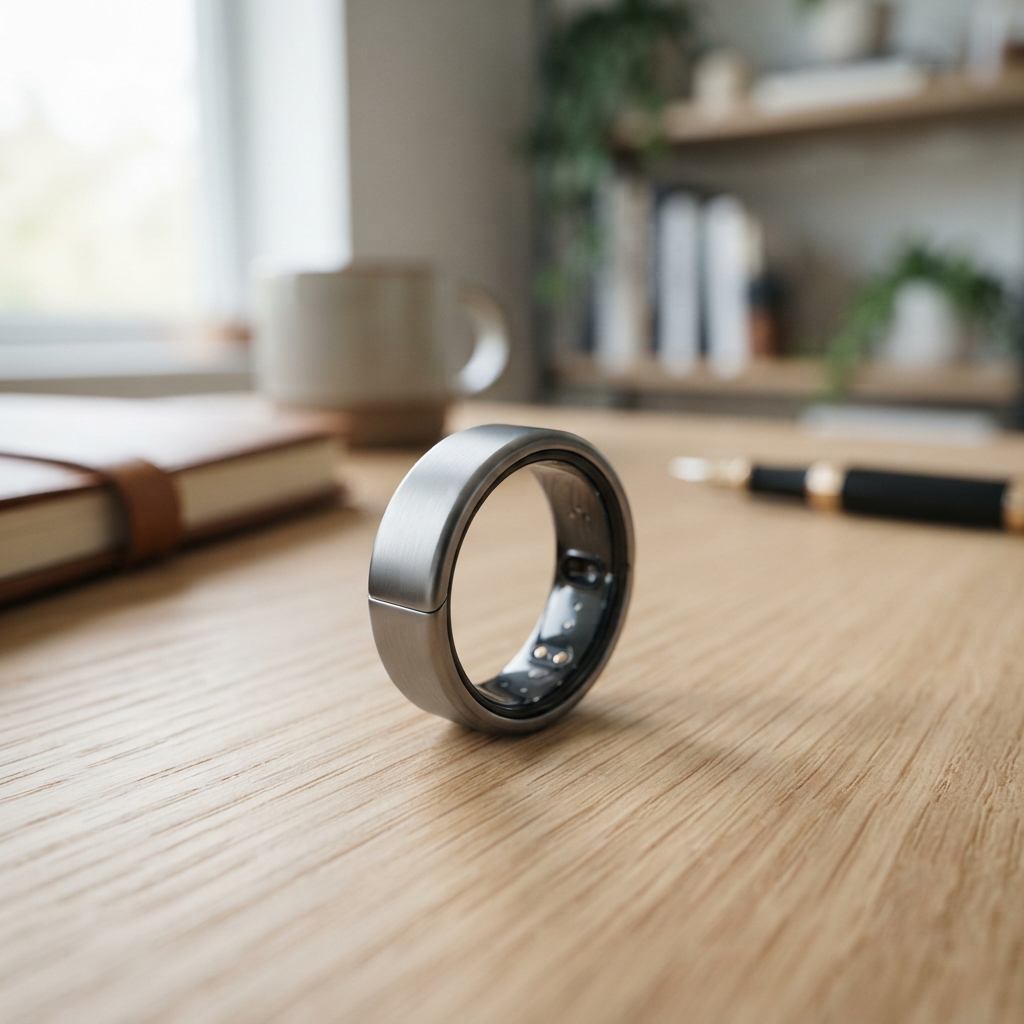
The most common mistake in data-driven health tracking is confusing high-frequency wearable signals with diagnostic ground truth. Wearables produce continuous, low-precision streams; clinical tests produce discrete, high-precision snapshots. Both matter, and treating them as substitutes rather than complements is where most personal health dashboards fail. TrackRaptor has covered this tradeoff in depth in its analysis of wearables versus blood biomarkers, and the accuracy gap is not trivial for anything metabolic or cardiovascular.
What Wearables Do Well
Wearables are excellent at longitudinal trend detection for heart rate variability, resting heart rate, sleep architecture, and daily activity load. Recent clinical wearable research shows meaningful applications in cardiology and chronic disease management, particularly for detecting atrial fibrillation and tracking recovery patterns. Where wearables fail is anything requiring blood chemistry: cholesterol subfractions, insulin sensitivity, thyroid function, and cancer markers all require lab work, the kind of physician-reviewed blood testing that captures actual analyte concentrations rather than modeled estimates. Optical glucose readings and cuffless blood pressure remain research-grade for most consumer devices as of 2026. Use wearable data to inform lifestyle adjustments and to trigger earlier clinical follow-up when trends drift, not as a replacement for scheduled labs.
Home Test Kits and the Data Quality Problem
Home-based finger-prick and saliva kits have improved substantially, but sample handling variance introduces real noise into results. For anyone building a serious personal record, applying the same data quality dimensions measurement logic used in SaaS pipelines is the right frame. Completeness, accuracy, timeliness, and consistency all apply to health data. A venous draw at a clinic once a year gives you a canonical record; home kits between annual draws help catch acute changes but should not overwrite the clinical baseline in your tracker.
Turning Screenings Into a Trackable System
A screening protocol without a storage and review layer is just a series of disconnected doctor visits. The value shows up when you can plot ApoB against sleep quality across three years and see the intervention that actually moved the needle.
Structuring Your Personal Health Dashboard
The core metrics for a personal health dashboard should be organized like any well-designed data-driven metrics framework: a small set of headline indicators, a broader layer of contributing metrics, and raw values available on demand. Headline metrics typically include ApoB, HbA1c, resting heart rate, VO2 max estimate, and sleep efficiency. Contributing metrics cover the full lipid and metabolic panels, inflammation markers, and micronutrient status. Store everything with source, date, and reference range so year-over-year comparisons are apples to apples. This is the same discipline described in TrackRaptor's guide to biomarker tracking infrastructure, which reframes health records as a versioned dataset rather than a folder of PDFs.
Regional Considerations for US-Based Professionals
In the United States, preventive care coverage under most employer plans includes annual physicals, standard lipid and glucose panels, and age-appropriate cancer screenings at no cost, though anything beyond the USPSTF-recommended set typically becomes out-of-pocket. Tech hubs concentrate options: preventive medicine protocols for NYC tech hubs and best health screening clinics in San Francisco often include executive physicals through providers like One Medical, Forward, and Parsley Health, while direct-to-consumer labs such as Function Health and Marek Health handle expanded panels without a physician referral. Employer-sponsored wellness stipends and HSA funds can often cover expanded testing; some employers now offer biomarker testing as a benefit directly, and reviewing employee preventive care guidance from major lab networks helps clarify what your plan includes before paying retail.
Conclusion
Preventive screening delivers the same compounding value as any well-instrumented monitoring system: early signal detection, cheaper intervention, and better long-term outcomes than reactive sick care. Build a minimum viable annual panel covering lipids, metabolic markers, inflammation, and micronutrients, then layer wearables on top for continuous trend data. Store results with source and reference ranges so you can run longitudinal comparisons, and expand into age-specific screenings like coronary calcium scoring and colonoscopy on schedule. The engineers who treat their biology with the same rigor they apply to production systems consistently catch issues years before their peers. Preventive health screening is not a checklist; it is an operating protocol.
Want more practitioner-focused frameworks that translate technical thinking into everyday decisions? Explore TrackRaptor for deep dives on measurement, tracking, and data infrastructure across work and life.
Frequently Asked Questions (FAQs)
What are the essential preventive health screenings?
The essentials for most adults are an annual lipid panel, fasting glucose or HbA1c, blood pressure, complete blood count, liver and kidney function, vitamin D, and age-appropriate cancer screenings such as colonoscopy from 45 and skin checks every two years.
How often should growth-focused professionals undergo health screenings?
An annual bloodwork cycle is the right default for adults under 40 with no known risk factors, with dental every six to twelve months, vision annually, and skin checks every two years.
What health markers should data-driven individuals track?
Prioritize ApoB, HbA1c, fasting insulin, hs-CRP, vitamin D, resting heart rate, HRV, VO2 max, and sleep efficiency as your headline longitudinal metrics.
Can wearable data replace standard clinical health screenings?
No, wearables provide valuable continuous trend data but cannot measure blood chemistry, hormones, or cancer markers, so they complement rather than replace annual lab work.
Are home-based preventive test kits reliable?
Reputable home kits are useful for interim checks and specific markers, but venous draws at a clinic remain the canonical source for your baseline record due to lower sample handling variance.
How do clinical checkups compare to wearable health tracking for tech workers?
Clinical checkups deliver high-precision discrete snapshots of blood chemistry and structural health, while wearables provide low-precision continuous signals ideal for detecting behavioral and cardiovascular trends between visits.